The Underrated Beach Destinations Most People Miss
The world’s most famous beach destinations are famous for a reason. The Greek islands really are beautiful. The Maldives really does have extraordinary water. The Amalfi Coast deserves the photographs. Bali can be incredible.
By Roi Kadosh on October 9, 2026
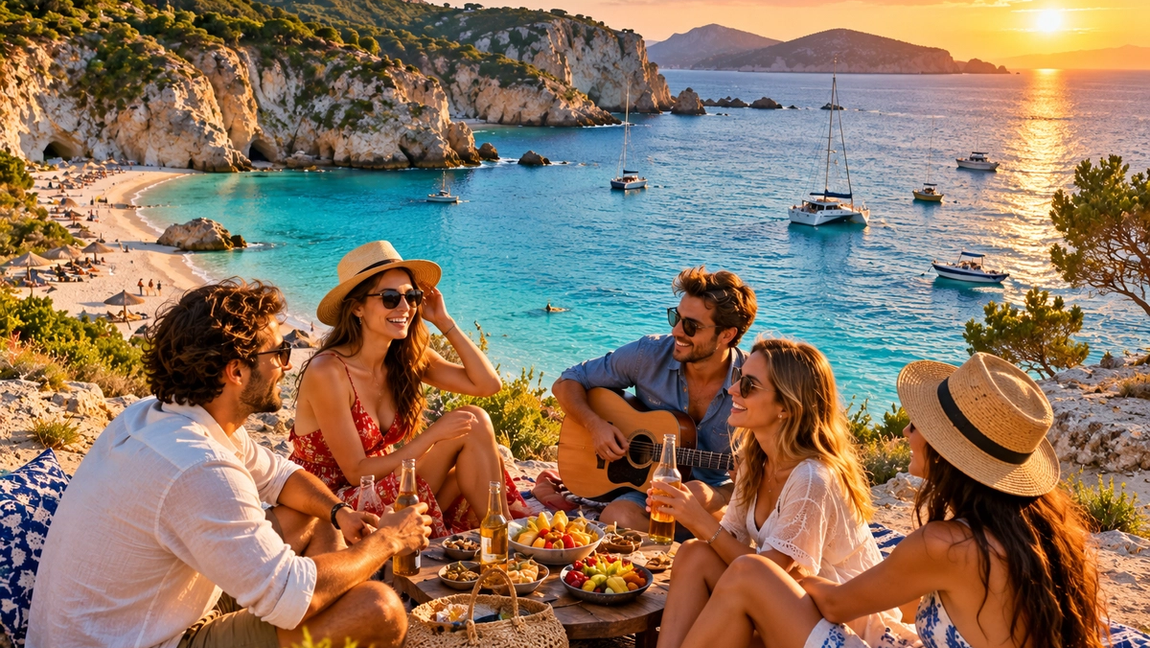
The world’s most famous beach destinations are famous for a reason.
The Greek islands really are beautiful. The Maldives really does have extraordinary water. The Amalfi Coast deserves the photographs. Bali can be incredible.
The problem is that everyone else knows this too.
During peak season, some of the world’s most beautiful coastlines become crowded, expensive, and surprisingly stressful. The quiet beach you’ve been imagining may come with packed parking lots, booked-out hotels, and a long line for the restaurant overlooking it.
Fortunately, beautiful coastlines exist far beyond the places dominating social media.
If you’re willing to look slightly outside the obvious choices, these destinations offer beaches worth building a trip around.
The Albanian Riviera, Albania
For years, travelers heading toward the Mediterranean largely passed Albania on their way to Greece or Italy.
That’s changing quickly.
The Albanian Riviera stretches along the Ionian coast, with clear water, dramatic mountains, small coves, and beach towns ranging from lively to relatively quiet.
Ksamil has become extremely popular, so travelers looking for a less crowded experience should explore beyond the country’s most photographed beaches.
The coastline around Himarë and smaller surrounding villages offers plenty of alternatives, while beaches such as Gjipe combine turquoise water with dramatic cliffs.
Albania is no longer a secret beach destination.
But much of its coastline still feels less internationally saturated than the Mediterranean’s biggest names.
Menorca, Spain
Ibiza has nightlife.
Mallorca has enormous popularity.
Menorca quietly sits nearby with some of the Balearic Islands’ most beautiful beaches.
The island is known for its calas, small coves where clear Mediterranean water meets cliffs, pine trees, or pale sand.
Some require walking to reach, which naturally reduces the crowds compared with beaches directly beside large resorts.
Menorca is particularly appealing if your ideal beach holiday involves swimming, hiking, small towns, and long lunches rather than clubs and major nightlife.
It isn’t unknown.
It simply receives less attention than its louder neighbors.
Alentejo Coast, Portugal
When travelers imagine Portuguese beaches, they often think immediately of the Algarve.
Go north along the western coastline and the atmosphere changes.
The Alentejo coast offers enormous Atlantic beaches, cliffs, dunes, fishing villages, and sections of coastline that can feel remarkably open compared with Portugal’s busiest southern resorts.
Towns such as Vila Nova de Milfontes can provide comfortable bases, while the surrounding region rewards travelers willing to explore by car or on foot.
The Atlantic here can be cooler and rougher than the Mediterranean.
But if you prefer dramatic coastline and long beaches over resort infrastructure, that’s part of the attraction.
Naxos, Greece
Calling any Greek island underrated is becoming increasingly difficult.
But compared with Santorini and Mykonos, Naxos can still feel refreshingly relaxed.
It combines long sandy beaches with mountain villages, ancient sites, excellent food, and enough size to explore beyond the main town.
Beaches such as Agios Prokopios and Plaka offer the kind of clear Aegean water people travel to Greece hoping to find.
The advantage is that Naxos works as more than a beach destination.
Rent a car and head inland. Visit mountain villages. Eat local cheeses and potatoes. Explore ancient ruins.
You can spend the morning swimming and the afternoon somewhere that feels completely removed from a resort holiday.
Mljet, Croatia
Croatia’s coastline has become one of Europe’s great summer destinations, but visitors often concentrate around Dubrovnik, Split, Hvar, and a handful of famous islands.
Mljet offers a slower alternative.
Much of the island is covered in forest, and Mljet National Park protects a substantial area in the west.
The island is better suited to travelers interested in nature, swimming, kayaking, cycling, and quiet coastal exploration than those looking for major nightlife.
Don’t expect enormous sandy beaches everywhere.
The appeal is the combination of exceptionally clear Adriatic water, rocky swimming spots, greenery, and a much calmer rhythm.
São Miguel, Azores
The Azores aren’t the obvious choice for a traditional beach holiday.
That’s precisely why they’re interesting.
São Miguel, the largest island in this Portuguese Atlantic archipelago, offers volcanic landscapes, natural pools, black-sand beaches, crater lakes, hot springs, cliffs, and an almost impossibly green interior.
The weather is more changeable than in classic Mediterranean beach destinations, and the ocean can be powerful.
But this isn’t a trip where you spend seven consecutive days lying on the same strip of sand.
You swim, hike, drive through volcanic landscapes, soak in thermal water, and stop at coastal viewpoints.
For travelers who want the ocean without a conventional resort experience, São Miguel offers something completely different.
Cilento Coast, Italy
Italy’s Amalfi Coast receives enormous international attention.
Travel farther south and the Cilento Coast offers another version of southern Italy.
The region combines beaches, coastal towns, hills, archaeological sites, and protected landscapes.
Places such as Palinuro and Marina di Camerota provide access to clear water, caves, coves, and stretches of coastline without the same global fame as Positano or Amalfi.
That doesn’t mean you’ll have everything to yourself, particularly during the Italian summer holidays.
But the experience can feel much more relaxed and locally oriented.
Cilento is especially appealing for travelers who want the Italian coast without needing every view to be internationally famous.
Isla Holbox, Mexico
Mexico has some of the world’s best-known resort destinations.
Holbox developed a reputation as the quieter alternative.
Located north of the Yucatán Peninsula, the island is known for sandy streets, shallow turquoise water, wildlife, and a slower atmosphere than major resort areas such as Cancún.
Its popularity has grown considerably, so describing it as undiscovered would be misleading.
But it still offers a different style of beach trip.
There are fewer reasons to rush, and that’s the attraction.
The island also sits in an environmentally sensitive region, so responsible tourism matters. Respect wildlife regulations, avoid disturbing natural habitats, and choose activities carefully.
Salento, Colombia
Colombia’s Caribbean coastline gets much of the country’s beach attention, particularly around Cartagena and Tayrona.
But the country’s Pacific coast offers a much wilder experience.
Places such as Nuquí and the surrounding Chocó region combine rainforest with dark-sand beaches, waterfalls, marine life, and relatively limited development.
This isn’t the destination for travelers seeking polished beach clubs and luxury shopping.
Infrastructure can be simpler, transportation requires more planning, and tropical weather plays a major role in the experience.
But for travelers who want nature and remoteness, Colombia’s Pacific coast can feel extraordinary.
Some of the world’s most memorable beaches aren’t the easiest ones to reach.
The Turkish Aegean Coast, Türkiye
Türkiye’s Mediterranean resorts are well known, but the Aegean coastline contains numerous smaller towns, bays, and beaches that international visitors sometimes overlook.
Places around Datça, Bozburun, and the broader southwestern coastline offer clear water, rocky coves, small harbors, and relaxed coastal villages.
The landscape often combines dry hills, olive trees, mountains, and deep blue sea.
Having a car can make exploration considerably easier because some of the best swimming spots sit outside major towns.
This is the kind of destination where the best beach may simply be the one you notice while driving and decide to stop at.
The best beach isn’t always the famous one
Popularity isn’t evidence that a beach is better.
It usually means it’s easier to reach, heavily promoted, visually recognizable, or surrounded by enough tourism infrastructure to accommodate large numbers of visitors.
Sometimes that’s exactly what you want.
Other times, the best beach day happens somewhere with no famous beach club, no recognizable Instagram viewpoint, and no particular reason you were supposed to stop there.
Look beyond the destination you’ve already heard of.
Check neighboring islands. Explore the coast between famous resort towns. Visit slightly outside peak season. Ask where people from the region actually go swimming.
You don’t necessarily need to discover somewhere nobody knows.
You just need to find somewhere that still gives you enough space to remember why you wanted to go to the beach in the first place.