The Difference Between a Tourist and a Traveler
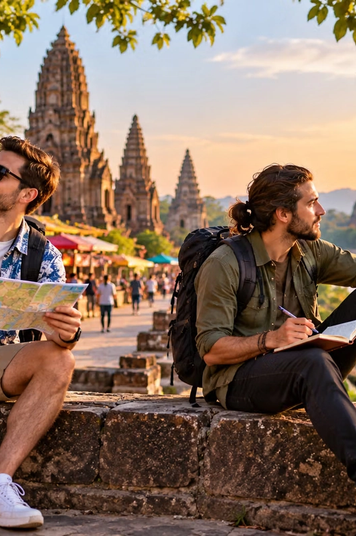
Travel culture loves dividing people into two categories. There are “tourists,” who supposedly follow guidebooks, visit famous attractions, take predictable photographs, and eat near the main square.
By Roi Kadosh on October 9, 2026
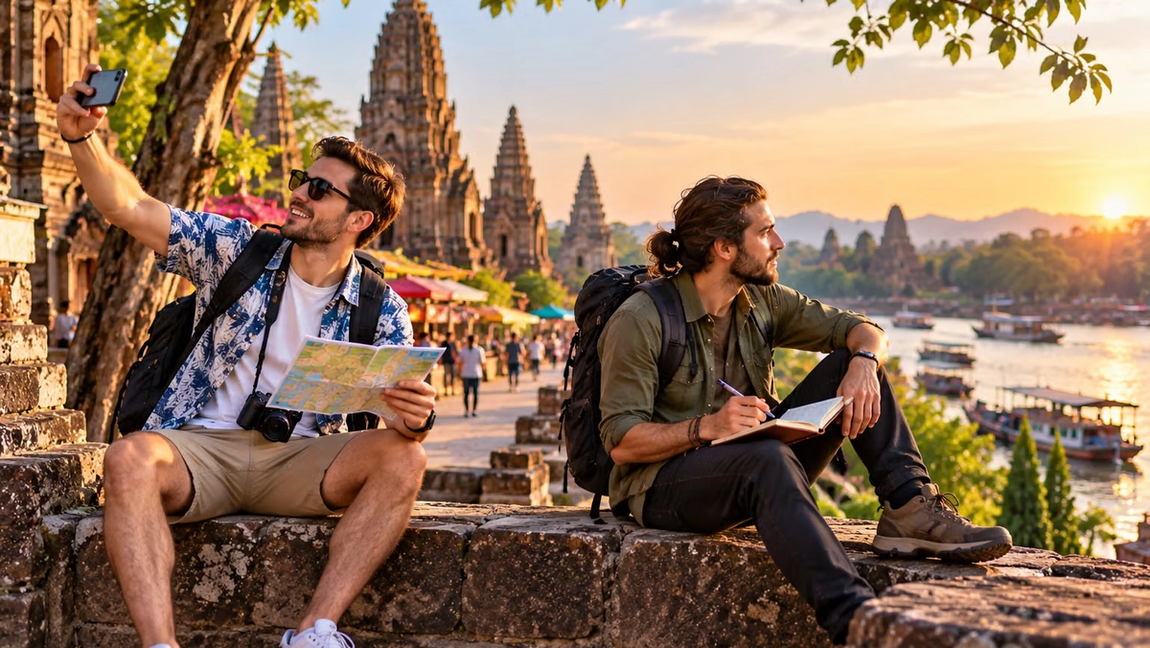
Travel culture loves dividing people into two categories.
There are “tourists,” who supposedly follow guidebooks, visit famous attractions, take predictable photographs, and eat near the main square.
Then there are “travelers,” who find hidden neighborhoods, eat where locals eat, avoid anything remotely popular, and somehow discover the “real” version of a place.
It sounds convincing until you think about it.
The traveler taking a train through Italy is still visiting from somewhere else. The backpacker searching for a hidden beach is still a visitor. And the person standing in front of the Eiffel Tower with a camera may be having the trip they dreamed about for 20 years.
The real difference between a tourist and a traveler has much less to do with where you go and much more to do with how you experience being somewhere unfamiliar.
Everyone is a tourist somewhere
If you’re visiting a place temporarily for pleasure, you’re a tourist in the most ordinary sense of the word.
There is nothing embarrassing about that.
Tourism exists because places contain things people want to see. Paris has the Louvre. Rome has the Colosseum. New York has Times Square. Egypt has the pyramids.
Avoiding a world-famous place simply because tourists go there can become its own strange form of travel performance.
Famous attractions are often famous for good reasons.
You don’t earn a more authentic experience by pretending you’re too sophisticated to visit them.
The question is what else you notice while you’re there.
Travelers tend to leave room for curiosity
The stereotypical tourist follows an itinerary.
The stereotypical traveler follows curiosity.
Reality isn’t that simple, but there is something useful in the distinction.
A trip can become dramatically more interesting when you allow yourself to deviate from the plan.
Maybe you walk down a street because it looks interesting. You enter a small museum you’ve never heard of. You spend an hour in a neighborhood that wasn’t mentioned in your guidebook.
That doesn’t require abandoning planning.
Good travel often combines structure and spontaneity.
Know what matters enough to reserve in advance, then leave enough empty space for the destination to interfere with your plans.
Seeing isn’t the same as experiencing
It’s possible to visit an enormous number of places without remembering much about them.
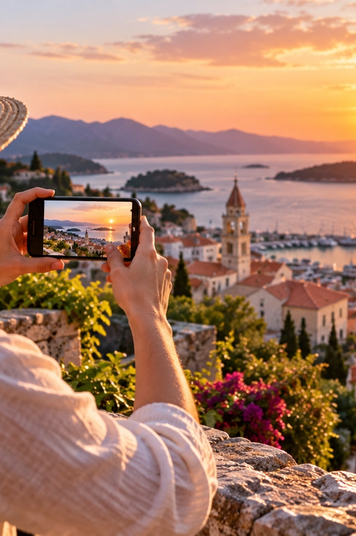
You arrive, photograph the landmark, post it, and immediately move toward the next attraction.
The experience becomes evidence collection.
Look where I was.
Slowing down changes what you notice.
You hear how people speak. You notice what they eat for breakfast. You learn how public transportation works. You discover that the famous square feels completely different early in the morning.
None of these observations will necessarily appear on a list of the “Top 10 Things to Do.”
They may still become what you remember most.
Travel becomes richer when the destination stops functioning as a background for your photographs and starts becoming something you’re actually paying attention to.
“Live like a local” is mostly a fantasy
Travel advice constantly tells visitors to “live like a local.”
But locals usually aren’t spending Tuesday morning wandering through their city admiring the architecture.
They’re going to work.
They’re buying groceries, picking up children, doing laundry, paying bills, and sitting in traffic.
You probably don’t actually want to live exactly like a local for four days.
You want access to parts of local life that tourists often miss.
That’s reasonable.
Visit neighborhood restaurants. Use public transportation. Explore areas outside the main tourist district. Learn a few words of the language. Pay attention to local customs.
Just don’t pretend you’re no longer a visitor.
Being respectful is more important than performing authenticity.
How you treat people matters more than your itinerary
You can visit every hidden neighborhood in a city and still be a terrible traveler.
Travel etiquette begins with remembering that your vacation destination is someone else’s home.
People working in restaurants, hotels, shops, transportation, and attractions aren’t supporting characters in your personal adventure.
Basic patience matters.
So does learning local customs, respecting religious or cultural sites, following rules, dressing appropriately where required, and making an effort with language when possible.
You don’t need to understand an entire culture before visiting.
You do need to arrive with enough humility to recognize that your normal isn’t universal.
Travelers are willing to be slightly uncomfortable
Unfamiliar places require adjustment.
Food is different. Schedules are different. Personal space may be different. Stores close at unexpected times. Public transportation works differently. People communicate in ways you aren’t used to.
You can spend the entire trip comparing everything with home.
Or you can become curious about why things work differently.
That doesn’t mean every difference needs to be admired.
Sometimes something genuinely is inconvenient.
But constantly demanding that another country behave like yours defeats much of the point of leaving yours.
A little discomfort is often where travel becomes educational.
Spending money locally can change the impact of your trip
Travel isn’t only a personal experience.
It’s also an economic activity.
Where you sleep, eat, shop, and book activities determines where some of your money goes.
When practical, spending with locally owned restaurants, guides, accommodations, markets, and businesses can help keep more tourism income within the community you’re visiting.
That doesn’t mean every purchase needs to pass an ethical purity test.
Travel is complicated.
But thinking about your economic impact is part of becoming a more thoughtful visitor.
So is respecting environmental restrictions, avoiding exploitative wildlife experiences, and recognizing when a destination is struggling with overcrowding.
You don’t need to prove you’re a “real traveler”
Travel has developed its own status symbols.
Number of countries visited. Length of backpacking trips. How remote the destination was. Whether you used a suitcase or backpack. Whether you ate at a restaurant with an English menu.
None of this tells you whether someone had a meaningful experience.
A person can travel across 50 countries while remaining uninterested in almost everything beyond their own itinerary.
Someone else can spend a week in one city and leave with a much deeper understanding of it.
Travel isn’t automatically transformative.
You have to pay attention.
The best trips usually contain both
Be a tourist sometimes.
Take the ridiculous photograph. Visit the famous monument. Buy the souvenir. Join the guided tour. Stand in line for something you’ve wanted to see since childhood.
Then wander.
Take the metro somewhere unfamiliar. Sit in a café without rushing. Learn something about the history behind the beautiful building you’re photographing. Talk to someone when the opportunity naturally appears.
You don’t need to choose between being a tourist and being a traveler.
You can be both.
Because the meaningful distinction isn’t between people who visit famous places and people who don’t.
It’s between passing through somewhere and actually noticing where you are.