The National Parks Worth Visiting at Least Once in Your Life
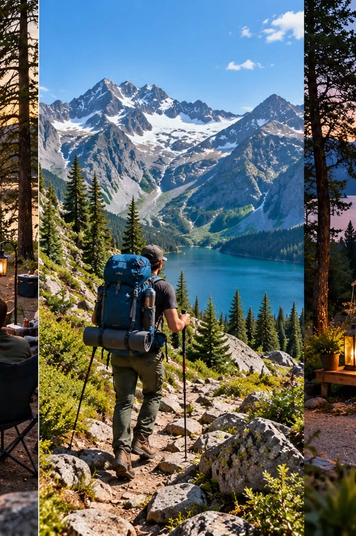
National parks contain some of the most dramatic landscapes on Earth: enormous canyons, volcanic valleys, ancient forests, turquoise lakes, glaciers, deserts, waterfalls, and mountains that make photographs feel strangely inadequate. They also protect ecosystems that would be difficult, and sometimes impossible, to replace.
By Lila Odin on October 8, 2026
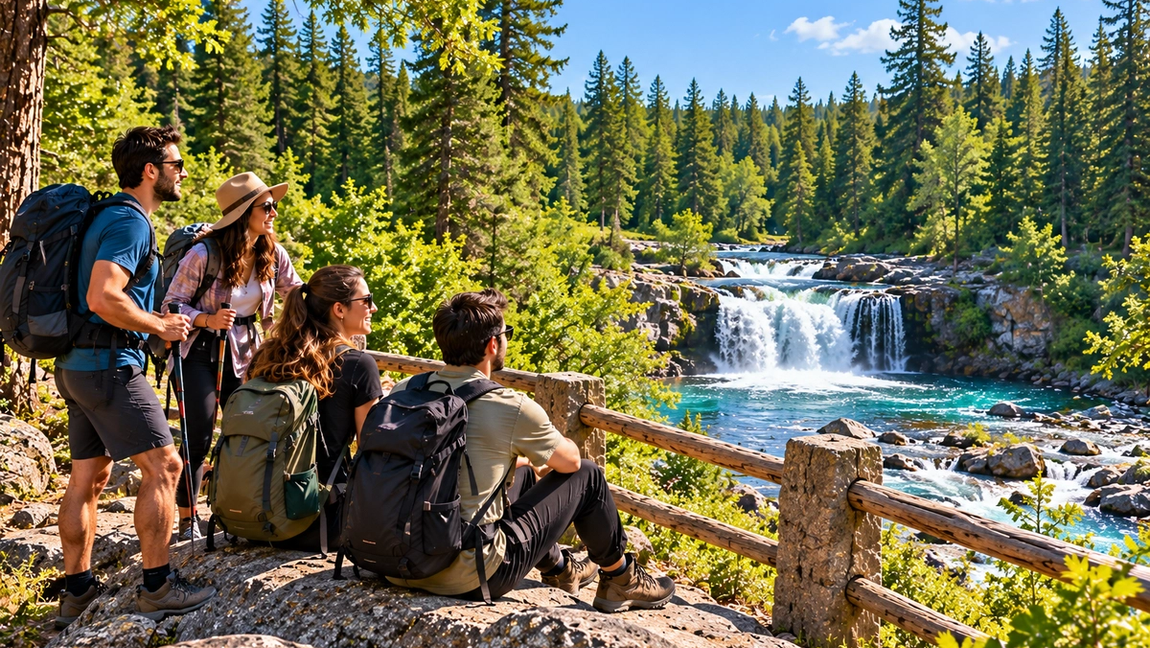
There are beautiful places, and then there are places that make you stop talking for a minute.
National parks contain some of the most dramatic landscapes on Earth: enormous canyons, volcanic valleys, ancient forests, turquoise lakes, glaciers, deserts, waterfalls, and mountains that make photographs feel strangely inadequate. They also protect ecosystems that would be difficult, and sometimes impossible, to replace.
You could spend a lifetime visiting them and still barely scratch the surface. But a few parks offer experiences so distinctive that they deserve a place on almost anyone’s travel list.
Yellowstone National Park, United States
Yellowstone feels less like visiting a park and more like discovering that Earth is much stranger than you thought.
Spread across Wyoming, Montana, and Idaho, it was established in 1872 and is widely recognized as the world’s first national park. Its landscape sits above a vast volcanic system, producing the geysers, hot springs, bubbling mud pots, and steaming ground that make Yellowstone instantly recognizable.
Old Faithful is the famous attraction, but Yellowstone’s real appeal is how unpredictable the landscape feels. One minute you’re watching brilliantly colored geothermal pools, and the next you’re driving through a valley where bison are wandering beside the road.
It’s one of those rare destinations where geology and wildlife are equally spectacular.
Banff National Park, Canada
If someone designed an exaggerated version of the Canadian Rockies for a movie, it might look like Banff.
Snow-covered mountains rise behind forests and intensely colored glacial lakes. Lake Louise and Moraine Lake have become internationally famous, but photographs can make their beauty seem almost artificial. Seeing that turquoise water surrounded by enormous peaks in person feels different.
Banff is also the kind of place that works for different levels of adventure. You can spend days hiking into the mountains, or simply drive through spectacular scenery and stop at viewpoints along the way.
The park changes dramatically with the seasons, from hiking and canoeing during warmer months to snowy landscapes and winter sports later in the year.
Serengeti National Park, Tanzania
The Serengeti offers something fundamentally different from the classic mountain-and-lake image of a national park.
Here, the landscape is enormous and open.
The park is famous for its wildlife and its role in the Great Migration, during which huge numbers of wildebeest, zebras, and other animals move through the wider Serengeti ecosystem in search of water and grazing.
But the experience isn’t only about seeing famous animals.
There is something extraordinary about watching wildlife exist across a landscape that seems to continue forever. Lions resting in the grass, elephants moving in the distance, giraffes crossing the horizon, and enormous herds traveling across the plains create a sense of scale that’s difficult to understand from wildlife documentaries alone.
Torres del Paine National Park, Chile
Patagonia already has a reputation for looking like the edge of the world, and Torres del Paine helps explain why.
Located in southern Chile, the park combines jagged mountains, glaciers, lakes, rivers, and vast stretches of open landscape. Its famous granite towers rise dramatically above the surrounding terrain and have become one of Patagonia’s defining images.
This is particularly rewarding territory for hikers. Multi-day routes such as the W Trek allow travelers to move through dramatically different landscapes over several days.
The weather can change quickly, sometimes making the environment feel even more remote and wild. Torres del Paine isn’t necessarily the easiest destination on this list, but that’s part of its appeal.
You feel like you’ve traveled somewhere genuinely far away.
Fiordland National Park, New Zealand
New Zealand has no shortage of landscapes that look slightly fictional, but Fiordland National Park may contain some of its most dramatic.
Located on the South Island, the park is a world of mountains, rainforest, waterfalls, and deep fiords carved by glaciers.
Milford Sound is the most famous destination, where steep cliffs rise directly from dark water and waterfalls descend from the surrounding mountains. Rain is common here, but unusually, bad weather doesn’t necessarily ruin the experience. Heavy rainfall creates temporary waterfalls across the cliffs and makes the entire landscape even more dramatic.
Fiordland is also home to famous hiking routes, including the Milford Track.
It is the kind of landscape that makes human development feel very far away.
Plitvice Lakes National Park, Croatia
Not every unforgettable national park requires enormous mountains or endless wilderness.
Plitvice Lakes National Park in Croatia creates its drama with water.
The park is famous for a network of lakes connected by waterfalls and surrounded by dense forest. Wooden walkways take visitors directly through the landscape, sometimes only a short distance above remarkably clear water.
The colors of the lakes can appear blue, green, turquoise, or gray depending on the light and environmental conditions.
Plitvice can become busy, particularly during peak summer months, so visiting earlier in the day or outside the busiest season can completely change the experience.
When it’s quiet, the combination of forest, water, and waterfalls feels almost unreal.
Kruger National Park, South Africa
Kruger is one of Africa’s most famous wildlife destinations and one of the best places to understand why safari travel is so addictive.
The park protects an enormous area containing a remarkable variety of wildlife, including elephants, lions, leopards, rhinos, buffalo, giraffes, zebras, and hundreds of bird species.
Part of the excitement comes from never knowing exactly what you’ll encounter.
A drive can feel quiet for a long time before suddenly turning into one of the most memorable wildlife experiences of your life.
Unlike visiting animals in captivity, the landscape itself is part of what you’re observing. You begin noticing tracks, vegetation, water sources, sounds, and animal behavior rather than simply searching for the biggest species.
Yosemite National Park, United States
Yosemite demonstrates just how dramatic a single valley can be.
The California park is famous for enormous granite formations such as El Capitan and Half Dome, along with waterfalls, forests, meadows, and giant sequoias.
Yosemite Valley contains many of its most recognizable views, but the park becomes increasingly rewarding when you move beyond the busiest areas.
Hiking gives you a completely different perspective on the scale of the landscape. A cliff that looked impressive from the valley floor becomes almost overwhelming when you’re standing high above it.
The popularity of Yosemite can mean crowds, especially during peak periods, but its reputation exists for a reason.
Some landscapes survive being photographed millions of times and still manage to surprise you in person.
The best parks make you understand scale differently
The most memorable national parks aren’t necessarily the ones with the longest hiking trails or the most famous viewpoints.
They’re the places that temporarily change your sense of proportion.
Standing beside a giant sequoia reminds you how short a human lifetime is. Watching animals cross the Serengeti reminds you that enormous natural systems continue without us. Looking across Patagonia makes everyday worries feel unusually small.
That’s part of what makes these places worth protecting as well as visiting.
Travel often focuses on what humans have created: cities, architecture, restaurants, museums, monuments.
National parks offer the opposite experience.
They show you what was already extraordinary before we arrived.