How to Travel on a Budget Without Feeling Like You Are
Budget travel has a branding problem. It tends to sound like a trip built entirely around sacrifice: inconvenient flights, terrible accommodation, instant noodles for dinner, and walking six kilometers because you refuse to pay for the metro.
By Alex Slavistki on October 8, 2026
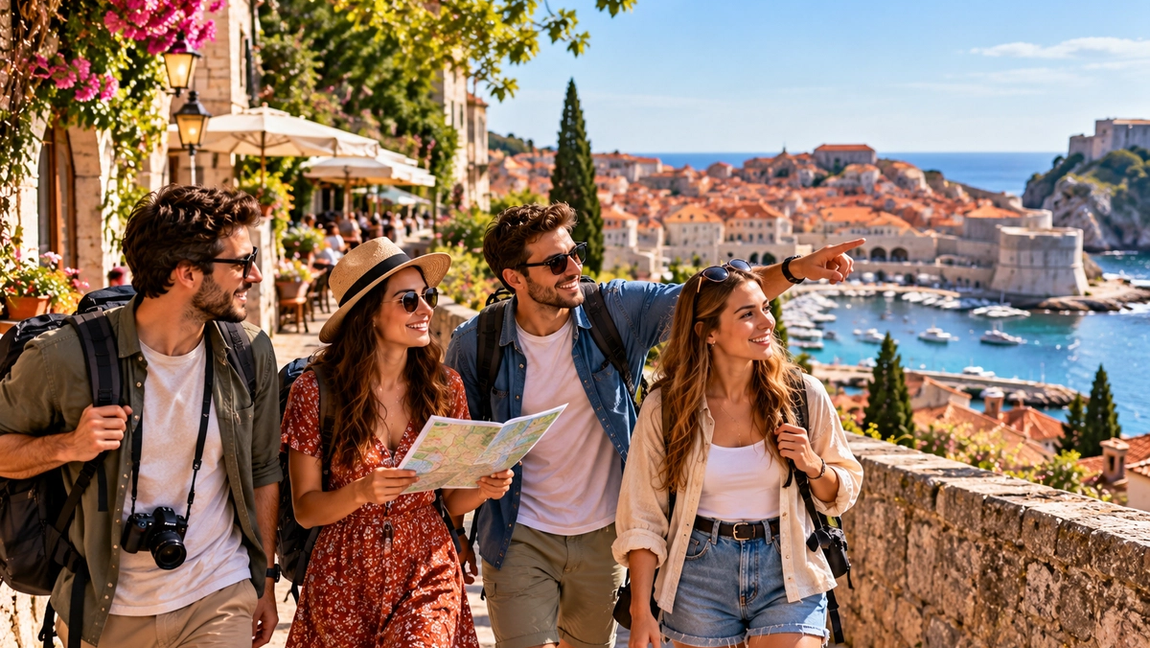
Budget travel has a branding problem.
It tends to sound like a trip built entirely around sacrifice: inconvenient flights, terrible accommodation, instant noodles for dinner, and walking six kilometers because you refuse to pay for the metro.
You save money, but you spend the entire vacation thinking about money.
That isn’t the only way to travel cheaply.
The smartest budget trips aren’t necessarily the ones where you spend the least possible amount. They’re the ones where you spend intentionally. You save aggressively on things that don’t matter much to you so you can comfortably afford the experiences that do.
The goal isn’t to make your trip cheap.
It’s to make your money go further.
Spend less on the things you barely remember
Think about your favorite trips.
You probably remember the incredible meal, the beautiful beach, the mountain view, the museum you loved, or the afternoon you spent wandering through a neighborhood.
You probably don’t remember whether your hotel room was 24 or 31 square meters.
This is where budget travel starts.
Identify which parts of travel matter most to you and which ones simply need to function.
If accommodation is mostly somewhere you sleep, you may not need a luxury hotel. If you’re not interested in shopping, don’t budget heavily for it. If you’re happy using public transportation, expensive taxis may add very little to your experience.
Saving money feels much easier when you’re cutting things you don’t particularly value.
Travel slightly outside peak season
Timing can completely change the cost of the same destination.
Flights and accommodation often become significantly more expensive during major holidays, school breaks, festivals, and the most popular months.
Traveling during shoulder season can offer a much better balance.
The weather may still be good, attractions are open, and the destination can be considerably less crowded.
You may also get better accommodation for the same budget.
Instead of asking only where you can afford to travel, ask when you can afford to travel there.
A destination that feels expensive in August may look very different in October.
Location can be worth paying for
The cheapest hotel isn’t always the cheapest option overall.
If you’re staying far outside the center, you may spend more money and time traveling back and forth every day.
A slightly more expensive room in a walkable neighborhood can reduce transportation costs while making the trip much easier.
Look at the total experience.
How far is the accommodation from the places you’ll actually visit? Is public transportation nearby? Can you walk to restaurants? Will you need taxis at night?
Price per night tells you only part of the story.
Convenience has financial value too.
Eat well without making every meal an event
Food is one of the pleasures of travel, and budgeting doesn’t need to mean avoiding restaurants.
It helps to stop treating every meal as a major dining experience.
Maybe breakfast comes from a bakery. Lunch is something casual from a market. Then dinner is the restaurant you’ve been excited to try.
Another day, you might do the opposite and have an excellent long lunch followed by something simple in the evening.
Local bakeries, markets, street food, neighborhood restaurants, and casual cafés can often provide some of the most memorable food of the trip without requiring a huge budget.
Spend more when the experience matters.
Eat simply when it doesn’t.
Use public transportation like part of the experience
Taxis and ride-hailing services are convenient, but using them constantly can quietly consume a travel budget.
In cities with reliable transportation, buses, metros, trams, and trains can be dramatically cheaper.
They also show you a different side of the destination.
You start understanding how neighborhoods connect and how people actually move through the city.
Walking is even better when distances are reasonable.
Some of the best travel discoveries happen between attractions rather than inside them.
Just don’t turn saving money into unnecessary suffering.
If it’s midnight, you’re exhausted, and the safer or more practical choice is a taxi, take the taxi.
Budgeting should support the trip, not control it.
Choose a few things worth spending on
One of the easiest ways to make a budget trip feel expensive is to include occasional experiences that genuinely feel special.
Book the boat trip.
Eat at the restaurant you’ve been thinking about for months.
Pay for the guided tour that will help you understand the place.
Buy tickets to the performance you can’t experience at home.
You don’t need luxury every day for a trip to feel luxurious.
One memorable experience can matter more than spending slightly more on everything.
This is why setting priorities before traveling is so useful.
You know where you want to say yes.
Take advantage of what costs nothing
Some of the best travel experiences are surprisingly inexpensive or completely free.
Walking through a beautiful neighborhood costs nothing. Beaches, parks, markets, viewpoints, public squares, architecture, and hiking trails may provide hours of entertainment without requiring an entrance ticket.
Many museums also offer free periods, discounted student admission, or special access days, depending on the destination.
Research these before arriving.
The point isn’t to build an itinerary exclusively around free attractions.
It’s to remember that price and quality aren’t the same thing.
An expensive attraction can disappoint you.
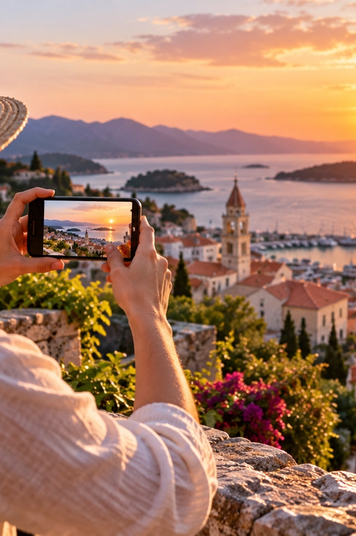
A sunset from a public viewpoint can become your favorite memory.
Avoid the tiny expenses that multiply
Travel budgets aren’t always destroyed by one enormous purchase.
Sometimes it’s 30 small ones.
Airport snacks. Bottled water. ATM fees. Baggage charges. Last-minute transportation. Foreign transaction fees. Convenience-store purchases. Tickets bought at the most expensive possible time.
Individually, none feels important.
Together, they can become a significant part of the trip.
A little preparation helps.
Bring a reusable water bottle where tap water is safe. Understand your bank’s international fees. Check luggage rules before arriving at the airport. Book expensive transportation early when prices are likely to increase.
Save money where doing so requires almost no sacrifice.
Don’t schedule yourself into spending
Overpacked itineraries can become expensive.
When you’re rushing, convenience becomes necessary.
You take taxis because you’re late. You eat beside the attraction because you don’t have time to walk somewhere better. You buy expensive water because you forgot to bring any.
Slower travel can reduce costs naturally.
Staying longer in fewer places means fewer transportation days. Having free time allows you to walk instead of rushing. Apartments or accommodations with basic kitchen facilities can make occasional simple meals possible.
Convenience is often what you’re paying extra for.
Give yourself enough time to need less of it.
Budget travel is really about priorities
There is no prize for spending the least amount of money possible.
If you return from a trip saying, “I spent almost nothing,” but you skipped everything you wanted to experience, the budget technically succeeded while the vacation failed.
Spend according to what matters.
Save on the hotel if you don’t care about hotels.
Spend on it if waking up somewhere beautiful is part of the experience for you.
Skip expensive restaurants if food isn’t important to you.
Book one incredible dinner if it is.
A good travel budget doesn’t make every decision cheaper.
It makes the unimportant things cheaper so the important things still fit.
That’s how you travel on a budget without spending the entire trip feeling like you’re on one.