How to Eat Well When You’re Traveling on a Budget
Eating cheaply while traveling has somehow become associated with surviving on instant noodles, supermarket sandwiches, and whatever snack you can find at the train station. You can absolutely do that.
By Roi Kadosh on October 9, 2026
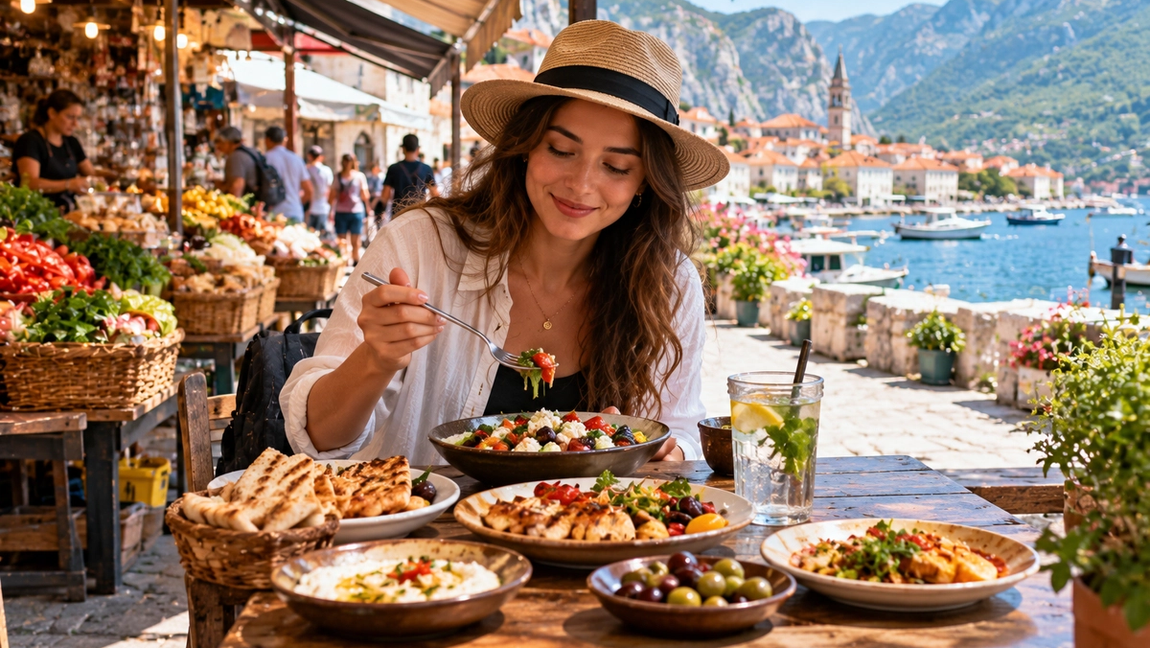
Eating cheaply while traveling has somehow become associated with surviving on instant noodles, supermarket sandwiches, and whatever snack you can find at the train station.
You can absolutely do that.
You can also eat extremely well without turning every meal into a major expense.
Food budgets usually get out of control because travelers make every meal a restaurant meal, eat exclusively in expensive tourist areas, or choose places at the last minute when they’re already hungry. A little strategy changes everything.
The goal isn’t to spend as little as physically possible. It’s to spend less on meals you don’t care about so you have money for the ones you do.
Decide which meal matters most
You don’t need three memorable meals every day.
Maybe dinner is important to you. In that case, keep breakfast and lunch simple and save more of your daily budget for the evening. If you’re traveling somewhere famous for long lunches, do the opposite and eat something light later.
This immediately makes a food budget feel less restrictive.
A bakery breakfast, casual lunch, and excellent dinner can still make the entire day feel food-focused without requiring three restaurant bills.
Think of your food budget as something to distribute rather than a strict amount you must spend at every meal.
Some meals can cost very little.
Others can be the reason you came.
Eat what the destination does cheaply
Every place has foods that are naturally affordable because they’re part of ordinary daily life.
Find them.
In Italy, that might mean pizza by the slice, panini, or bakery food. In Türkiye, you can find excellent casual meals built around pide, döner, soups, and other everyday dishes. In Vietnam, noodle soups and bánh mì can provide inexpensive meals. In Mexico, tacos and market food can be both affordable and extraordinary.
The exact foods change from place to place.
That’s the point.
Trying to recreate your normal diet while traveling can sometimes cost more than simply eating what is common locally.
Instead of searching for “cheap food,” research what local people commonly eat for breakfast, lunch, or a quick meal.
Cheap and local often overlap.
Bakeries are one of travel’s greatest inventions
Never underestimate a good bakery.
Bread, pastries, sandwiches, savory pies, filled rolls, and other baked foods can provide excellent breakfasts or lunches for a fraction of what you’d spend sitting in a restaurant.
They’re also useful when you have an early train, a long sightseeing day, or absolutely no interest in spending an hour having breakfast.
Buy something fresh.
Add fruit, yogurt, or a drink from a supermarket.
Find somewhere nice to sit.
You have breakfast.
In many destinations, this isn’t even a budget compromise.
It’s part of the local food culture.
Visit markets, but know what kind of market you’re visiting
Food markets can be fantastic places to eat affordably.
They can also be extremely expensive tourist attractions disguised as traditional markets.
Look for markets where people are actually buying groceries, meat, fish, vegetables, bread, cheese, or other everyday ingredients.
These often have stalls selling prepared food or small restaurants nearby.
Observe where workers and shoppers are eating.
Markets are particularly useful because you can try several things without committing to a full restaurant meal.
But don’t automatically assume “market” means cheap.
A beautifully renovated food hall filled with cocktail bars and gourmet burgers may be wonderful.
It may also cost exactly as much as a restaurant.
Walk away from the main square
The restaurant directly beside the famous monument is charging partly for the food and partly for the view.
Sometimes that view is worth paying for.
Often it isn’t.
Walk five or ten minutes away from the busiest tourist area and check again.
Menus may become smaller, prices may fall, and you may find restaurants serving more repeat local customers.
This isn’t a universal rule. Excellent restaurants can exist beside major attractions, and terrible restaurants can exist in residential neighborhoods.
But when you’re traveling on a budget, location is one of the easiest variables to change.
You don’t need to eat three kilometers outside the city.
Sometimes two streets make a surprising difference.
Make lunch your restaurant meal
In many destinations, lunch can offer better value than dinner.
Restaurants may have fixed-price lunch menus, daily specials, or smaller versions of dishes that cost more in the evening.
If there’s a restaurant you’re excited to try, check whether lunch is cheaper.
You can have the experience you wanted without necessarily paying the highest possible price.
Then dinner can be casual.
Grab something from a bakery, market, takeaway restaurant, or supermarket and eat somewhere pleasant.
A great meal doesn’t become less great because you ate it at 1 p.m.
Supermarkets are useful for more than emergency sandwiches
Visiting supermarkets while traveling is surprisingly interesting.
You discover local snacks, cheeses, breads, drinks, fruits, yogurts, prepared foods, and products you’ve never seen at home.
They can also solve the meals that don’t need to become events.
Buy breakfast supplies if your accommodation doesn’t include breakfast. Pick up fruit and snacks for the day. Make a picnic from bread, cheese, vegetables, and something sweet.
If you have access to a kitchen, cook occasionally.
You don’t need to spend your vacation preparing elaborate meals. Making breakfast or one simple dinner can substantially reduce food costs over a longer trip.
And shopping in another country’s supermarket is basically a minor cultural activity anyway.
Carry snacks before you become desperate
Hunger makes terrible financial decisions.
You’re much more likely to buy an overpriced sandwich beside a major attraction when you haven’t eaten for seven hours.
Keep something small in your bag.
Fruit, nuts, crackers, a cereal bar, or whatever travels well can prevent the point where you become willing to pay €14 for the world’s least inspiring airport sandwich.
Snacks are particularly useful on travel days.
Airports, train stations, highway stops, and tourist attractions are often some of the most expensive places to buy food.
Buying something beforehand takes almost no effort and can save a surprising amount.
Drink water without constantly buying it
In destinations where tap water is safe, carrying a reusable bottle can reduce both spending and plastic waste.
Refill it at your accommodation or public drinking fountains where available.
If local tap water isn’t considered safe for visitors, follow reliable local guidance and use appropriate bottled or treated water.
Drinks can quietly inflate restaurant bills too.
You don’t need to eliminate coffee, wine, cocktails, or anything else you enjoy.
Just notice how much you’re spending on them.
Three drinks can sometimes cost more than the meal.
Spend intentionally rather than discovering the total when the bill arrives.
Don’t automatically choose the cheapest restaurant
Budget travel isn’t about choosing the lowest number on every menu.
A cheap restaurant you don’t enjoy is still wasted money.
Sometimes spending slightly more gives you a dramatically better meal.
Look for value rather than absolute price.
A €15 meal you remember for years is better value than a €10 meal you wish you hadn’t ordered.
This is particularly true when food is an important part of the destination.
If you’re in Naples, eat good pizza.
If you’re in Japan, try the food you’ve been excited about.
If you’re somewhere famous for a particular regional dish, budget for it.
Saving money should help you experience the destination, not prevent you from experiencing it.
Avoid eating every meal because the clock says so
Travel days don’t always fit normal routines.
Maybe you had an enormous late lunch and aren’t particularly hungry at dinner.
You don’t need another full meal simply because it’s 8 p.m.
Get something small.
Likewise, if your hotel breakfast keeps you full until mid-afternoon, you don’t need to force lunch into the schedule.
Listen to your appetite.
Travel often involves larger portions, more snacks, different meal times, and foods that are richer than what you normally eat.
Eating when you’re actually hungry can naturally reduce both food waste and spending.
Give yourself one meal you don’t budget aggressively
If food matters to you, build at least one special meal into the trip.
Research it beforehand.
Choose somewhere you’re genuinely excited about.
Then enjoy it without mentally calculating how many supermarket breakfasts the same amount of money could have purchased.
A budget works best when it includes things you actually want.
If you restrict yourself at every meal, you’ll eventually get tired of budgeting and spend impulsively anyway.
Planned spending feels completely different from accidental spending.
Eating well isn’t the same as eating expensively
Some of the best travel food is remarkably affordable.
A warm pastry eaten outside a bakery can be better than a hotel breakfast buffet. A busy taco stand can beat an expensive restaurant. Bread, cheese, fruit, and a view can become one of your favorite lunches of the trip.
Spend where food is part of the experience.
Save where it isn’t.
Use bakeries, markets, supermarkets, casual local restaurants, lunch specials, and street food to keep everyday costs manageable. Then use the money you’ve saved for the meals you’ll actually remember.
Traveling on a food budget shouldn’t mean returning home with stories about all the restaurants you couldn’t afford.
It should mean knowing exactly which ones were worth paying for.